Report
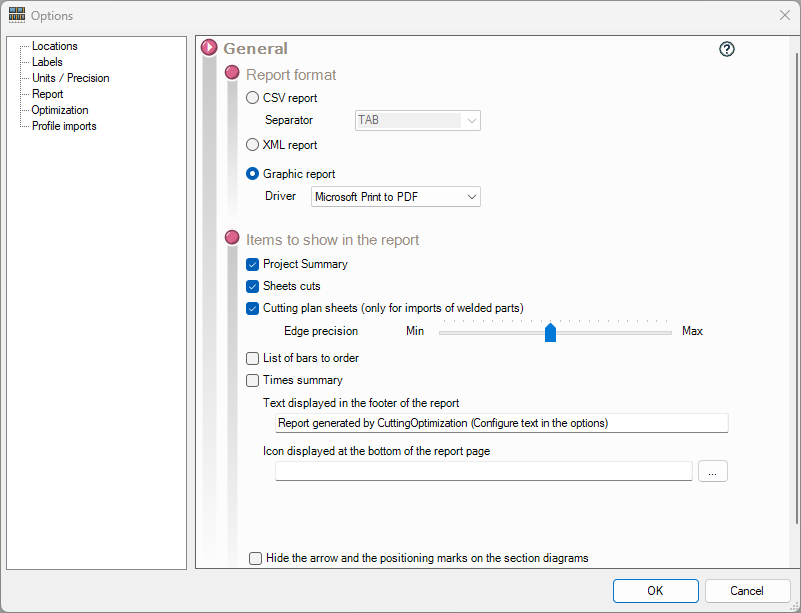
In the options, you can configure certain settings for generating the report and exporting it to print formats.
- The available report export formats are the printers registered in your Windows session and PDF. Previously, only XPS export was available.
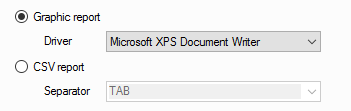
- You can export the report as a CSV file by selecting the column separator to ensure compatibility with Excel.
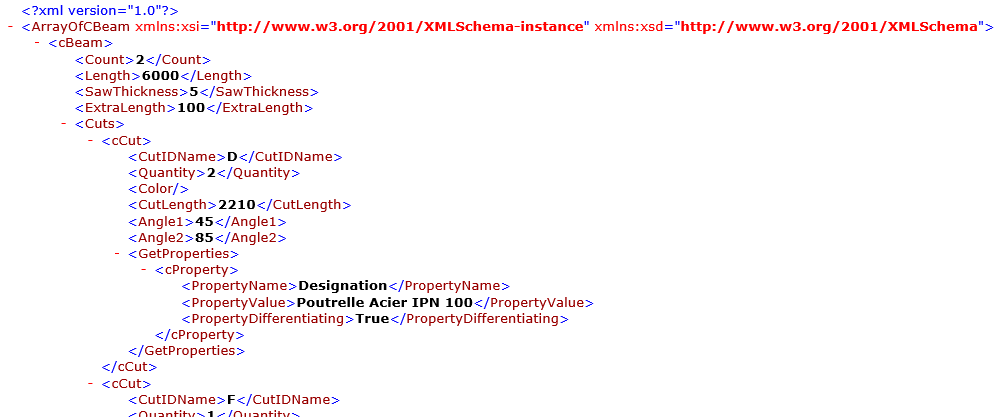
- The report can be exported in XML format for integration with an ERP system, for example.
It is also possible to select which items to include in the report. In some cases, it may be preferable to export only the cut lists and the list of bars to be ordered, rather than the summary of the entire project.
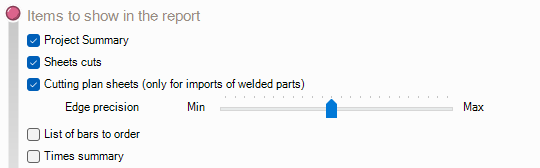
Project Summary:
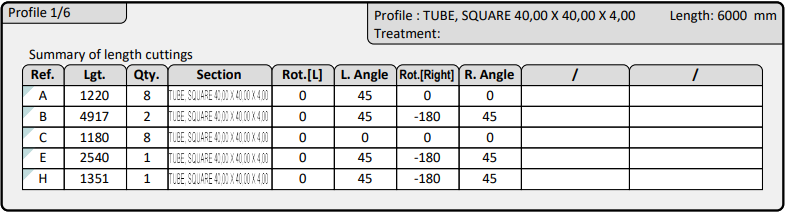
Section containing, in table form, all the details of the imported profiles:
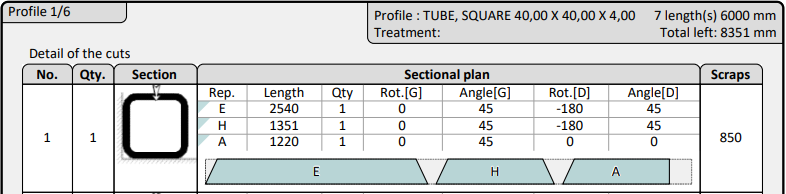
Tournament Brackets:
Overview of the cuts along the previously defined bar length, including a calculation of the final waste:
Cutting Plan Sheets:
This option allows you to enable or disable the cross-section detail feature described below, which provides a clear view of both cross-sections. This allows you, for example, to determine whether the two cross-sections are in the same plane or if there is a rotation.
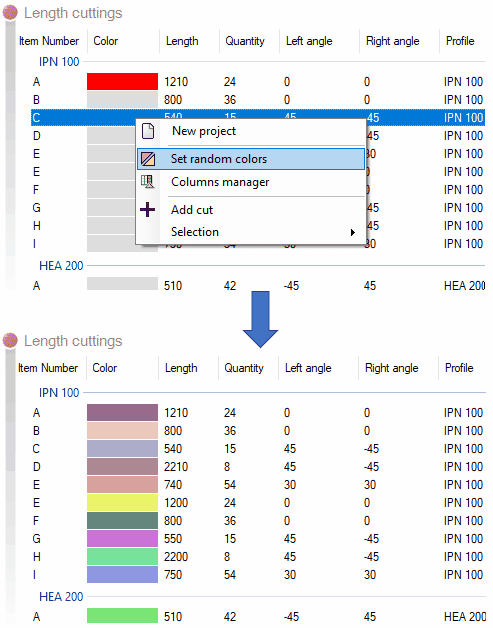
Isometric View Sheets for Parts:
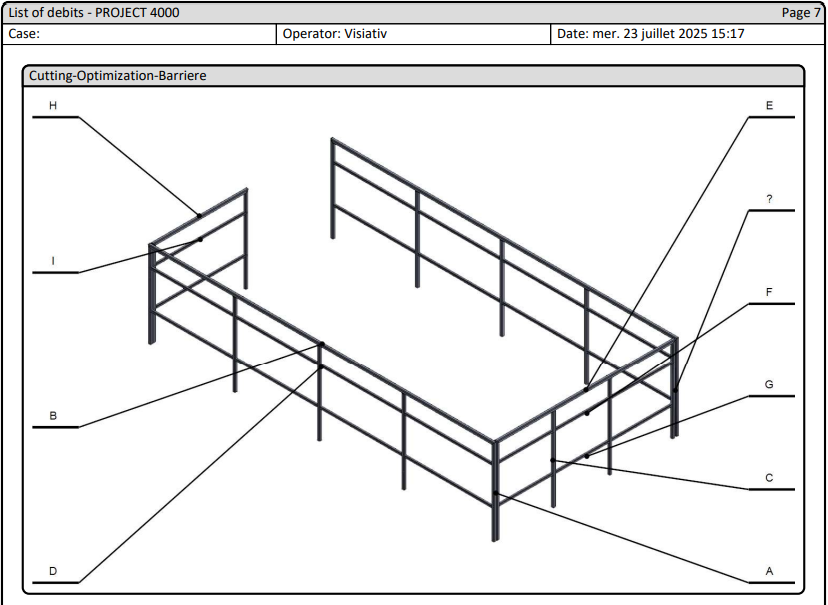
This option provides a 3D preview of the various objects in the final report.
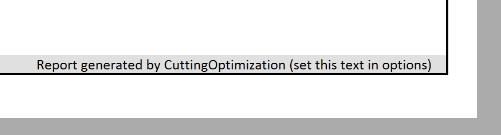
Text displayed at the bottom of the report:

This option allows you to display custom text at the bottom of the report.
It is also possible to display a custom logo in the report:

XPS Viewer:
To view your previously generated .XPS files, you must have the XPS Viewer installed. If you do not, here are the installation instructions.
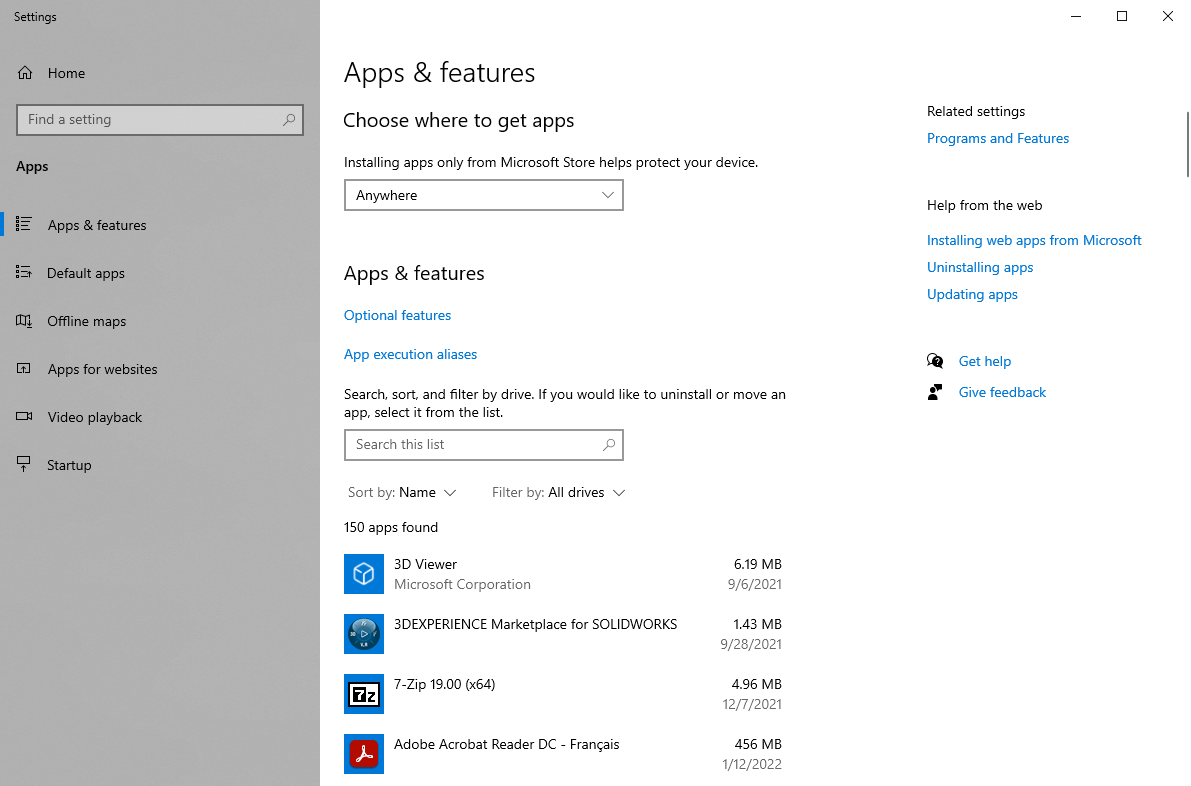
- Go to the "Apps & Features" section in Windows:
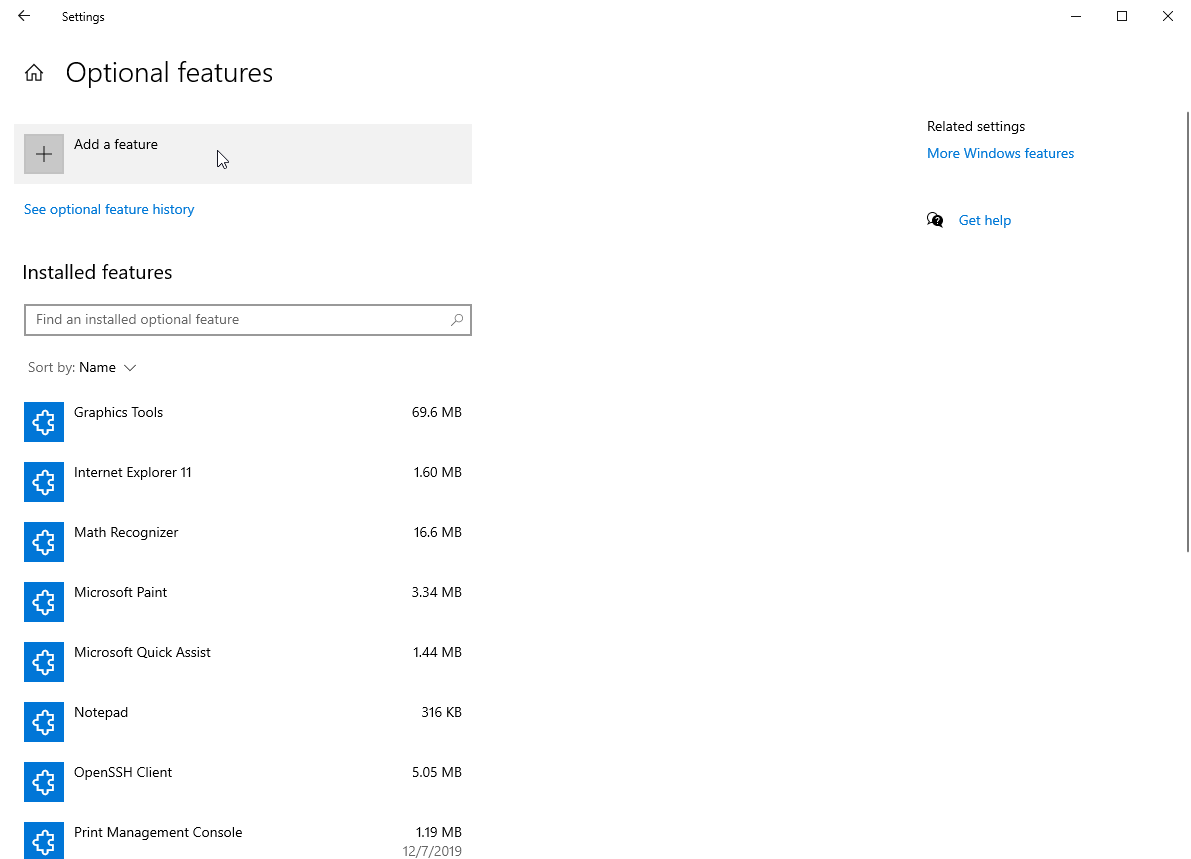
- Next, go to "Optional Features" and click "Add a Feature":
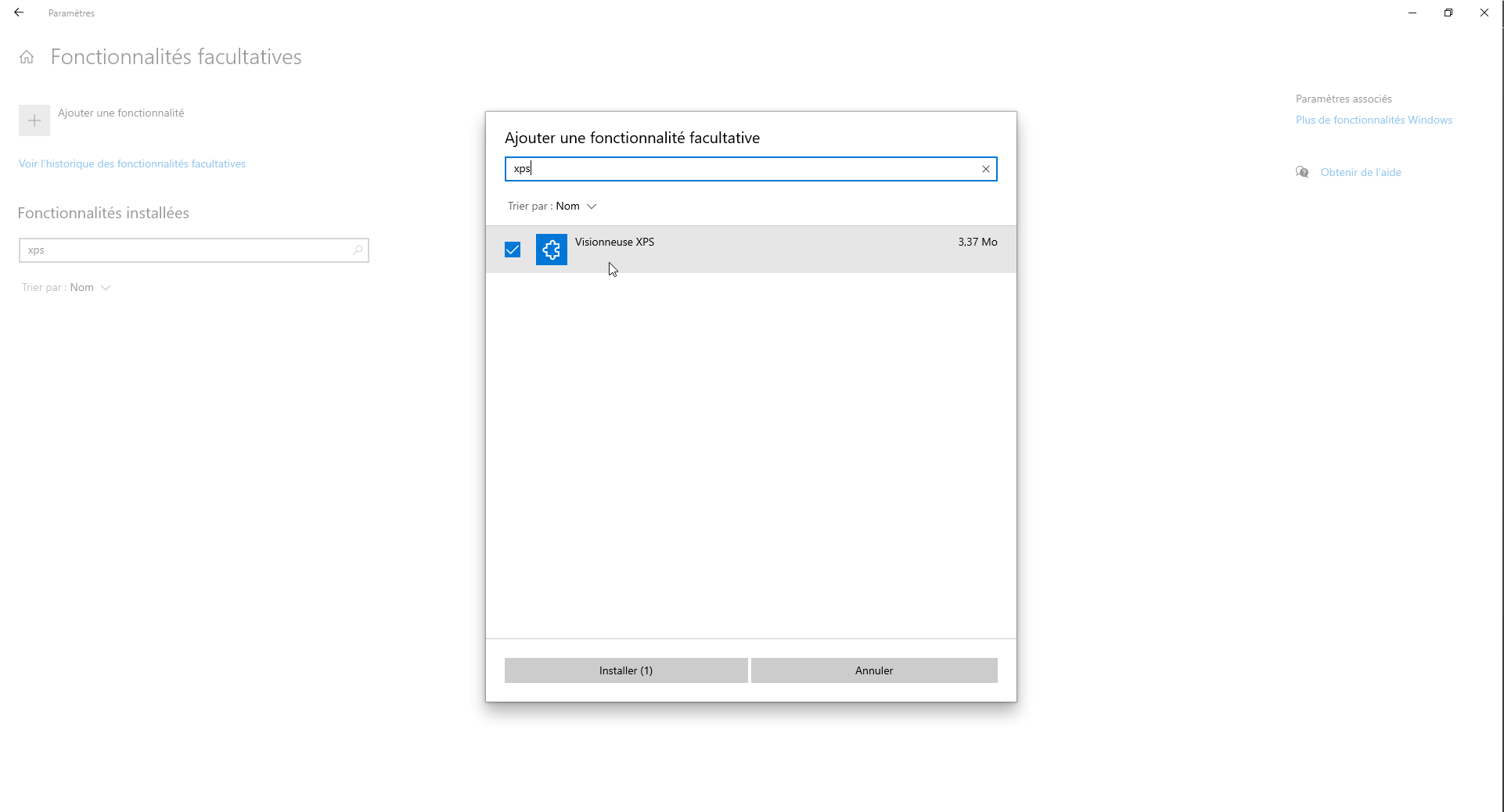
- Type "XPS" and install the "XPS Viewer":
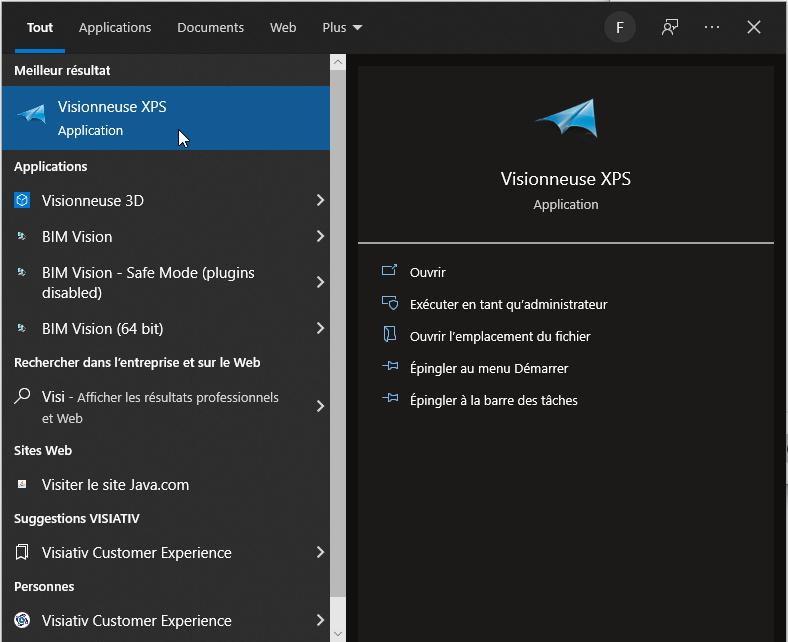
- Once installed, your XPS Viewer will be available in your Windows Start menu: